
Several years ago, Believe Electric had the opportunity to participate in the construction of an aluminum processing plant’s electrical infrastructure project.
Unlike a simple equipment supply contract, our scope of work covered the complete electrical system, including power distribution design, equipment manufacturing, installation, commissioning, and system integration.
Today, nearly four years after the project was put into operation, the customer is preparing for another phase of expansion. Recently, our engineering team visited the site again to discuss the plant’s future power requirements and evaluate the next stage of development.
For us, this was more than a technical meeting. It was an opportunity to review the long-term performance of a power system that we helped design and build from the beginning.
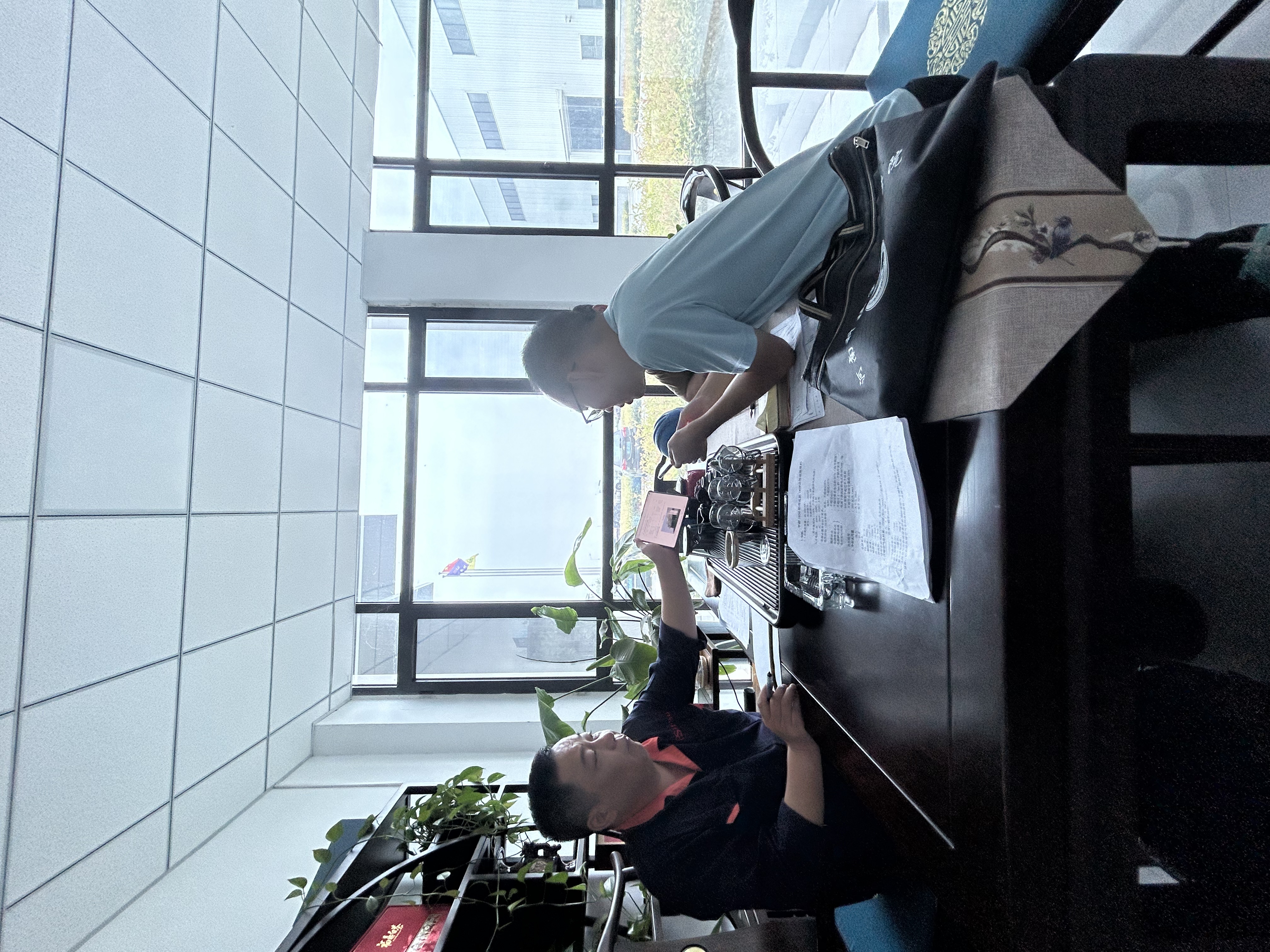
Our engineers discussing future load growth with the customer’s technical team.
During the first phase of the project, Henan Believe Electric was responsible for the complete power distribution system of the plant.
Our work included:
Because aluminum processing plants typically use rolling mills and other large motor-driven equipment, power quality was one of the most important considerations during the design stage.
Rolling mills are well known for generating significant harmonic currents. If harmonic distortion is ignored, it can lead to overheating of transformers, capacitor failures, inaccurate metering, nuisance tripping, and accelerated aging of electrical equipment.
For this reason, harmonic control was considered from the very beginning of the project.
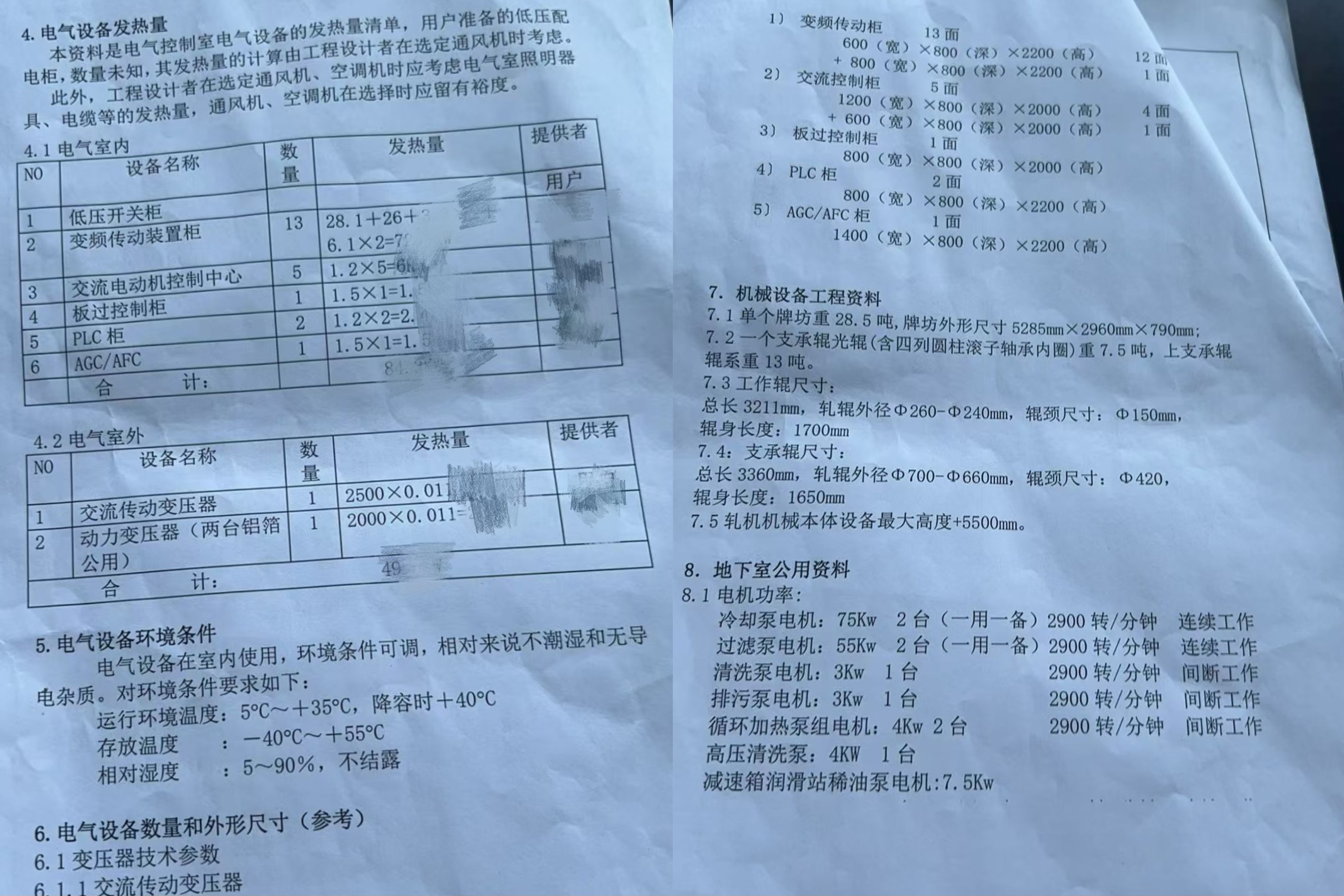
Reviewing the existing power distribution layout during the technical meeting.
One of the most rewarding parts of this recent visit was hearing feedback from the customer after nearly four years of operation.
According to the plant’s technical team, both the harmonic mitigation system and the power factor correction system have performed exceptionally well.
The facility has consistently maintained a power factor above 0.95.
In the local utility system, maintaining a high power factor not only improves energy efficiency but can also qualify industrial users for financial incentives or electricity cost benefits.
More importantly, the customer reported stable operation of both production equipment and electrical infrastructure throughout the years.
For an industrial facility operating continuously under heavy load conditions, long-term stability is often the best proof of a successful design.
During our discussion, we once again reviewed a topic that many industrial users underestimate: harmonics.
In aluminum processing plants, rolling mills, variable frequency drives, rectifiers, and other nonlinear loads can generate substantial harmonic distortion.
Without proper control measures, harmonics can cause:
This is why we Believe Electric that industrial power distribution design should never focus solely on transformer capacity.
Power quality must be considered as part of the overall solution.
In many cases, investing in harmonic mitigation during the design phase can prevent far greater costs later.
During this latest technical discussion, we learned that the customer plans to install additional rolling mills and supporting production equipment.
As expected, this will significantly increase overall electricity demand.
The primary objective of the meeting was to evaluate the impact of these new loads on the existing power capacity expansion project and determine the most appropriate upgrade strategy.
Several technical topics were discussed, including:
Because the original system was designed with future growth in mind, the customer now has a strong foundation for expansion.
This highlights the importance of proper transformer capacity planning during the initial design stage.
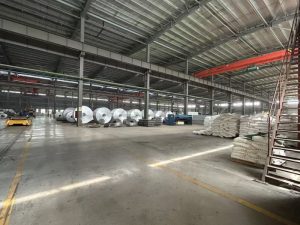
One lesson repeatedly confirmed by projects like this is that successful factory expansion depends on more than simply adding larger equipment.
A reliable factory expansion power supply solution requires a complete understanding of:
In heavy industries such as aluminum processing, steel production, mining, and manufacturing, electrical systems must be designed for long-term reliability rather than short-term demand.
This is also why we recommend that companies operating rolling mills, steel furnaces, large motor systems, or solar-powered industrial facilities pay close attention to harmonic control.
Harmonic considerations should be integrated into factory electrical design, transformer selection, switchgear configuration, and compensation system design from the very beginning.
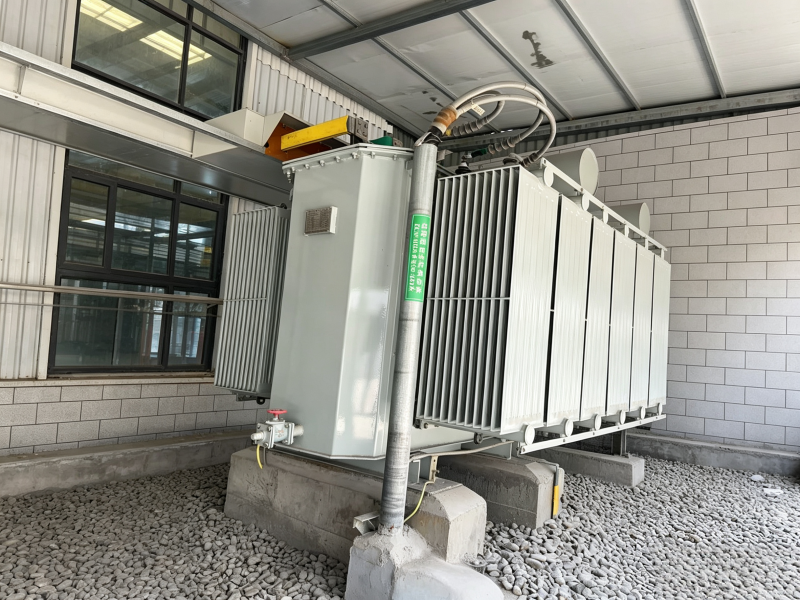
The customer’s decision to expand production after nearly four years of successful operation is encouraging.
As engineers, it is always rewarding to see a power distribution system continue delivering value years after installation.
The next phase of this project will focus on supporting increased production capacity while maintaining the same standards of reliability, efficiency, and power quality.
At Believe Electric, we that good engineering does not end when equipment is delivered. Long-term performance, continuous improvement, and ongoing technical support are equally important parts of every project.
For industrial customers planning future growth, investing in a well-designed transformer upgrade solution today can create significant operational and financial benefits tomorrow.
Copyright © 2026 Henan Believe Electric Co., Ltd.